 EN
EN

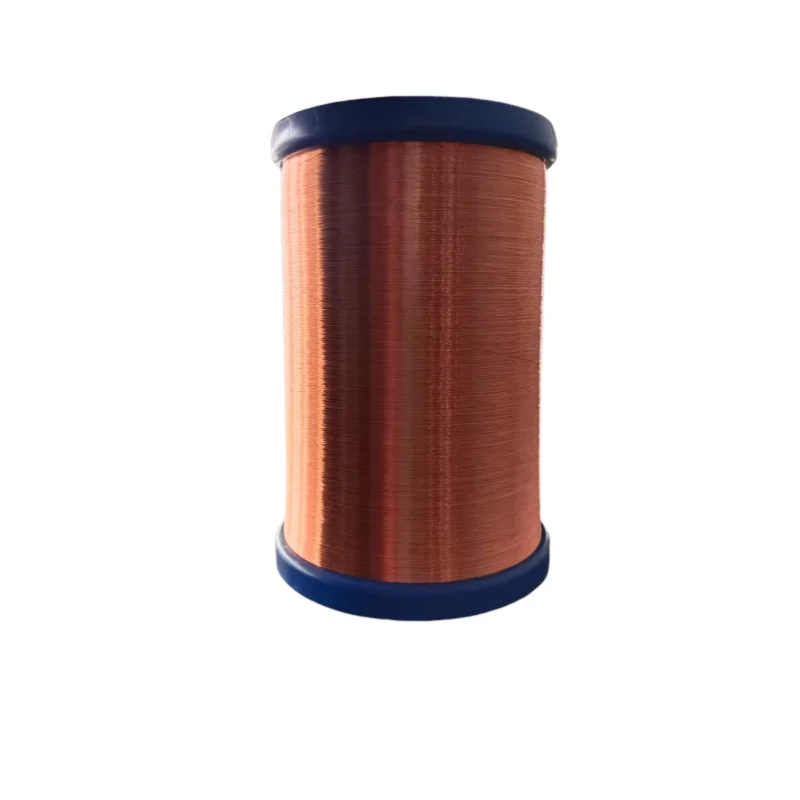
Speaking of electrical work in factories, many people use some special types of wires which are then covered with a material to make their functioning better. There are two kinds of this kind of wires, Polyesterimide Enameled Copper Wire and Polyurethane Enameled Copper Wire. Each is necessary for a different kind of work, but the two are not interchangeable. Common jacket material options include Polyesterimide, which is heat resistant and offers great protection, and polyurethane, which is flexible and tough. Businesses that know the differences between them can pick the right wire for their applications.
It can be really important for the industry folks to find good quality wires such as Polyesterimide and Polyurethane Enameled Copper Wire. A trusty shop to purchase them would be HUAERDA as they have a variety of wire selections. HUAERDA always ensures the wires for sale are of high quality. You don’t want just any type of wire, you need a wire that lasts and does its job. The easiest way to locate these wires is by searching for wholesalers that also revolve around the substances electrical. Some stores test their wires to make sure they adhere to standards. This is key because using the proper material can keep problems out of machines and electrical systems. HUAERDA has your back with this ease-of-use, so getting to know the company’s products is a smart move. You can look them up online or visit their shop in person and inquire about the different types. Always opt for those companies which are good to read reviews on. This is useful in choices of where to purchase from and guaranteed product quality.
How to Choose a Reliable Supplier for Enameled Copper Wire
There are several great advantages to Polyesterimide Enameled Copper Wire over many other applications of electric. One of the great features of this wire's heat. Machines in a factory can become very hot. Polyesterimide wires can stay operable even in these temperatures without suffering damage. So they are excellent for use in operation of motors and generators. They are also resistant to chemicals, a big plus! If the wire touches materials that would harm it, like oils or coolants, it will still stand up and not break. Additionally, they have excellent insulation. This insulation reduces the risk of short circuit, which can lead to electrical fires or do harm to your family. Some of the industries that rely heavily on such wires are automotive, aerospace and heavy machinery. All of which are sectors that depend on having non-failing wires during the times when they need them most. Simply put, Polyesterimide wires have it all where durability and shielding against heat and chemicals is the priority option.
Key Advantages of Polyesterimide Enameled Copper Wire
On the other hand, Polyurethane Enameled Copper Wire is also featured with its own special advantages. Polyurethane wires are also popular because they are flexible. As such, they can easily fit into small areas or follow curves. This can be pretty handy for stuff like gadgets, where real estate is at a premium. The wire stretches and bends without breaking. HUAERDA’s polyurethane wires are also highly durable with a physical tough surface. Which makes them perfect for cables that are moved often. Consider how many times cords are bent or twisted while in use. Polyurethane wires can tolerate this stress more than some of the other choices. In addition, the insulation on these wires is thin meaning more wire can be packed in a smaller space which makes them popular for modern tech. They are widely employed in home appliances, computers and robots. Each variety of wire has its own characteristics that are better suited to some industries over others, which is why knowing both is very important for anyone in manufacturing or electrical work.
Benefits and Applications of Polyurethane Enameled Copper Wire
Challenges of using enameled copper wire in manufacturing When you're using enamel coated copper wires for producing certain types of products, there are some typical problems which people encounter. One problem can be that the wire breaks too easily or wears out quickly. This may occur as a result of rough handling or misuse. The solution to this problem is choosing the ideal type of wire for your precise application. For instance, if the wire you are using is a Polyesterimide enameled copper wire manufactured by HUAERDA, it will have good wear resistance and heat resistance. That makes it a good choice for industrial applications using wiring that is expected to last a long time. Another problem is sometimes that wire's enamel coating can get damaged. This is a result of wires bent or twisted too much. To prevent the damage mentioned above, always treat the wires carefully and do not to bend them too much. It's also always a good practice to check on the wire every now and then that the enamel is nice. If you spot any wear or damage, it’s good to replace the wire immediately. The wires provided by HUAERDA can help alleviate these problems as it is constructed from premium grade materials so that it will be able to perform well even under harsh conditions. By using caution and selecting the right type of wire, manufacturing workers can therefore cut down on problems and ensure their projects go as smoothly as possible.
Common Manufacturing Challenges When Using Enameled Copper Wire
The best wire to use for enameling is polyurethane enameled wire. It is a great choice for many projects, and there are a few reasons why. One, polyurethane wire is very flexible. Which mean it can be bent and molded to a variety of shapes. If your project is one that has space constraints, HUAERDA’s polyurethane enameled copper wire might suit you well. It is also very chemical resistant, which is important in certain industries. A less fragile example is when the wire will be in contact with hardy objects. Another benefit of polyurethane wires is their high electric transfer. It means they can help make your products perform better, be more efficient and last longer. When you use polyurethane enameled copper wire of HUAERDA, You get performance and reliability to handle demanding industrial applications. Or, in applications such as electronics or appliances where precision is crucial, selecting this type of wire can make the difference between mediocrity and quality. All in all, the advantages of utilizing polyurethane enameled copper wire are enough for it to be a wise choice for a vast number of projects, assuring your work remains effective and dependable.
Comparing Cost and Performance: Polyesterimide vs. Polyurethane Wire
When customers buy enameled copper wire, they will always ask the difference in cost between Polyesterimide and polyurethane wires? Overall, Polyesterimide can be cheaper compared to polyurethane copper enameled wire due to its ingredient and production. This can potentially save you quite a bit of money if you are making large volume purchases. HUAERDA provides both sourcing wires and purchase in bulk may get discounts for companies that use these wires frequently on manufacturing or other purposes. Of course, you should consider more than just the price of the wire; you also need to pay attention to how well it will perform for your unique purposes. Occasionally, opting for the cheaper option could lead to a decrease in performance or overall durability. This means you could end up spending more in the long run if you have to replace it. HUAERDA’s Polyesterimide wire may be a bit cheaper upfront, but if you want some toughness that can handle high temperatures and last longer, it might be worth spending a bit more on polyurethane. when selecting what wires to purchase, please consider not only the price but also how well a wire will perform for you projects. By taking this approach, you will be able to select the best one for your manufacturing requirements.
Table of Contents
- How to Choose a Reliable Supplier for Enameled Copper Wire
- Key Advantages of Polyesterimide Enameled Copper Wire
- Benefits and Applications of Polyurethane Enameled Copper Wire
- Common Manufacturing Challenges When Using Enameled Copper Wire
- Comparing Cost and Performance: Polyesterimide vs. Polyurethane Wire