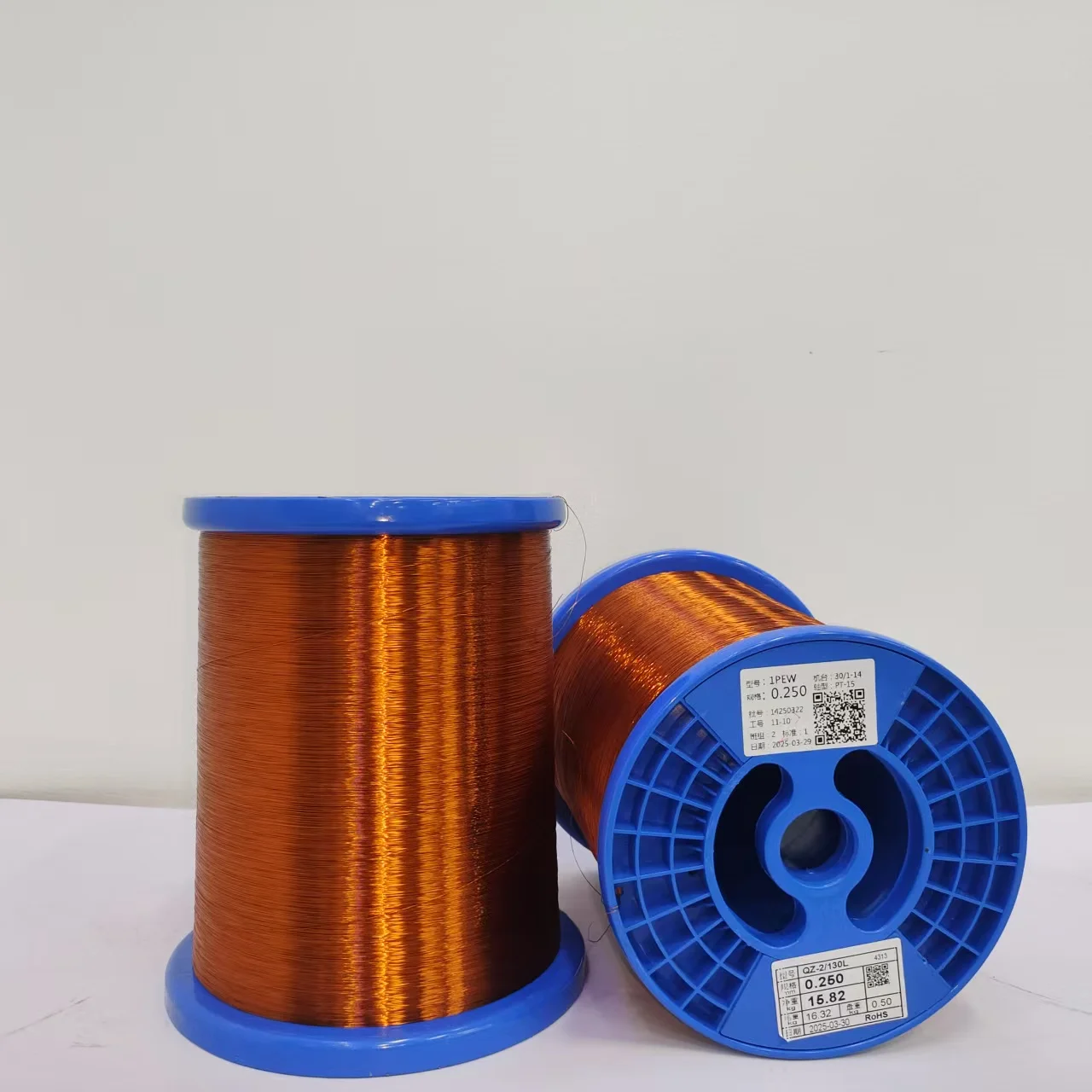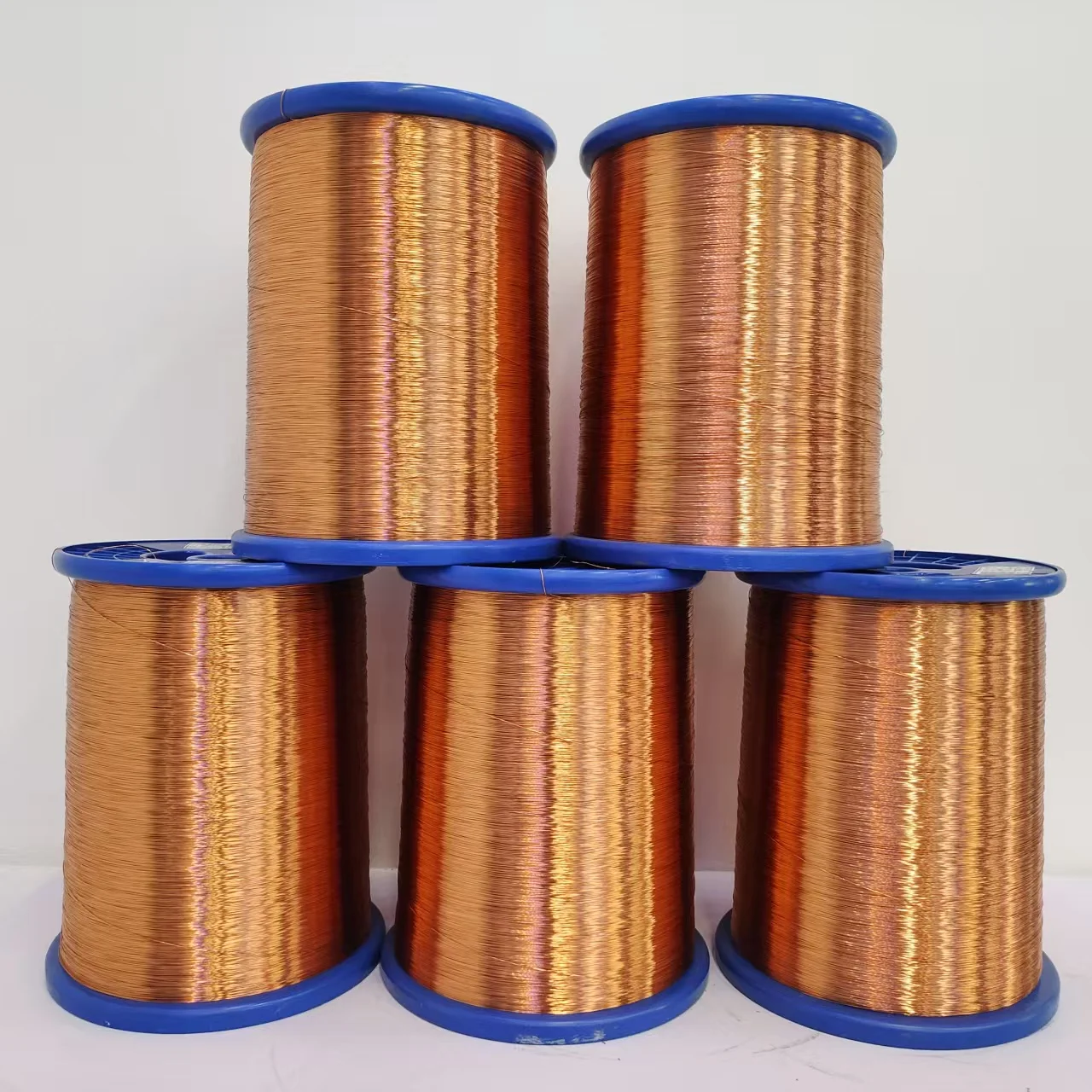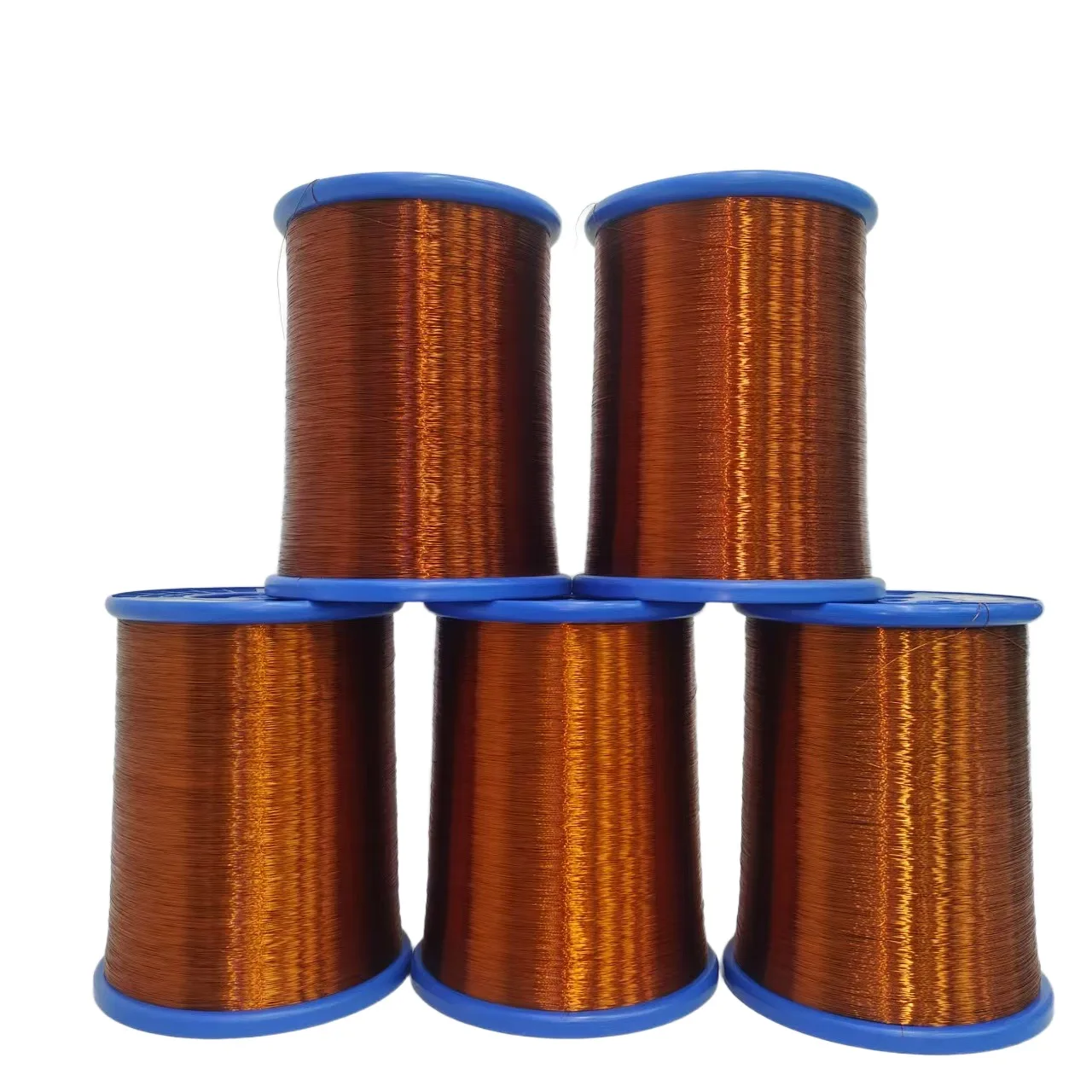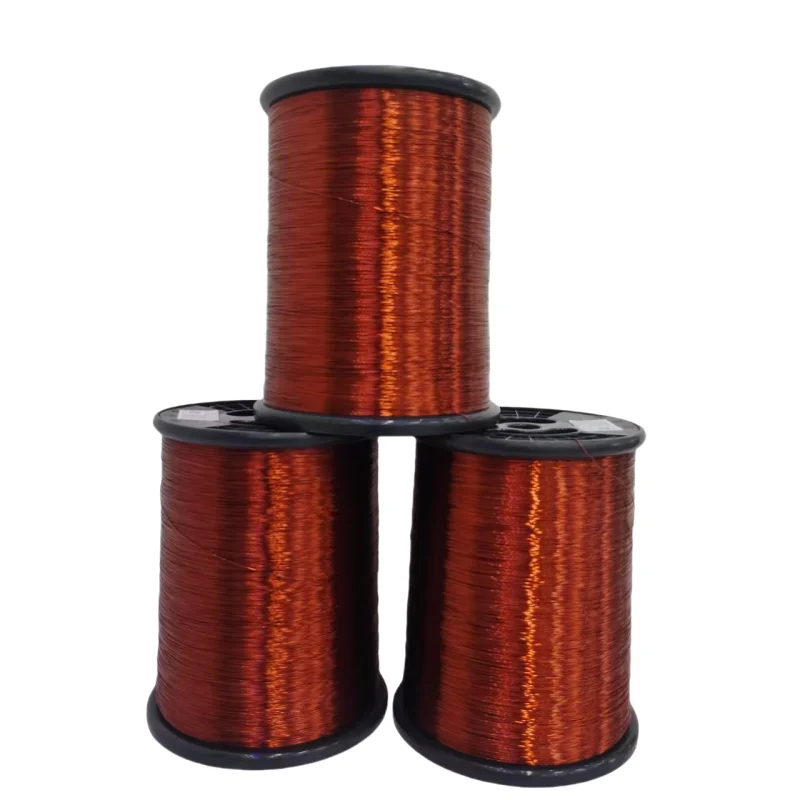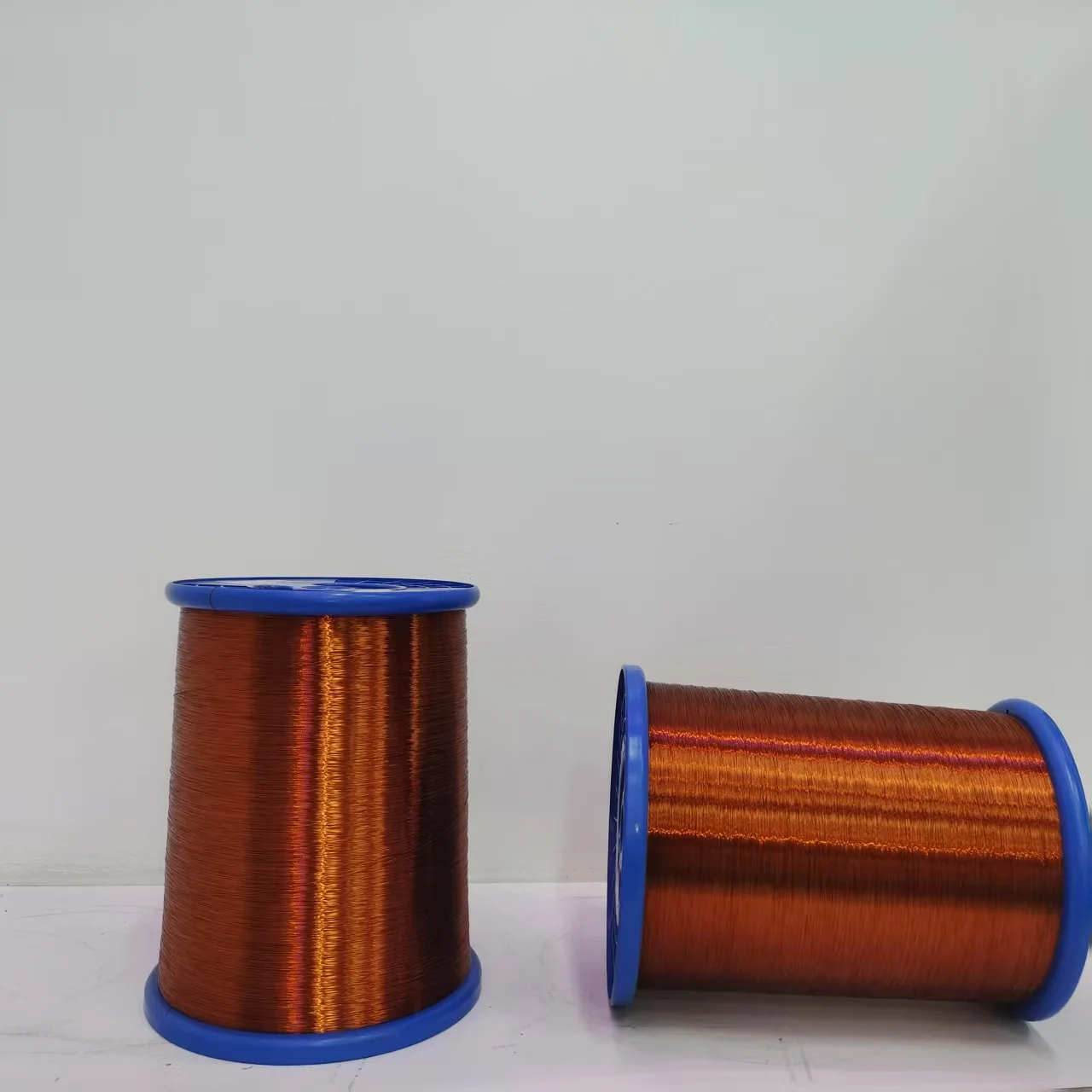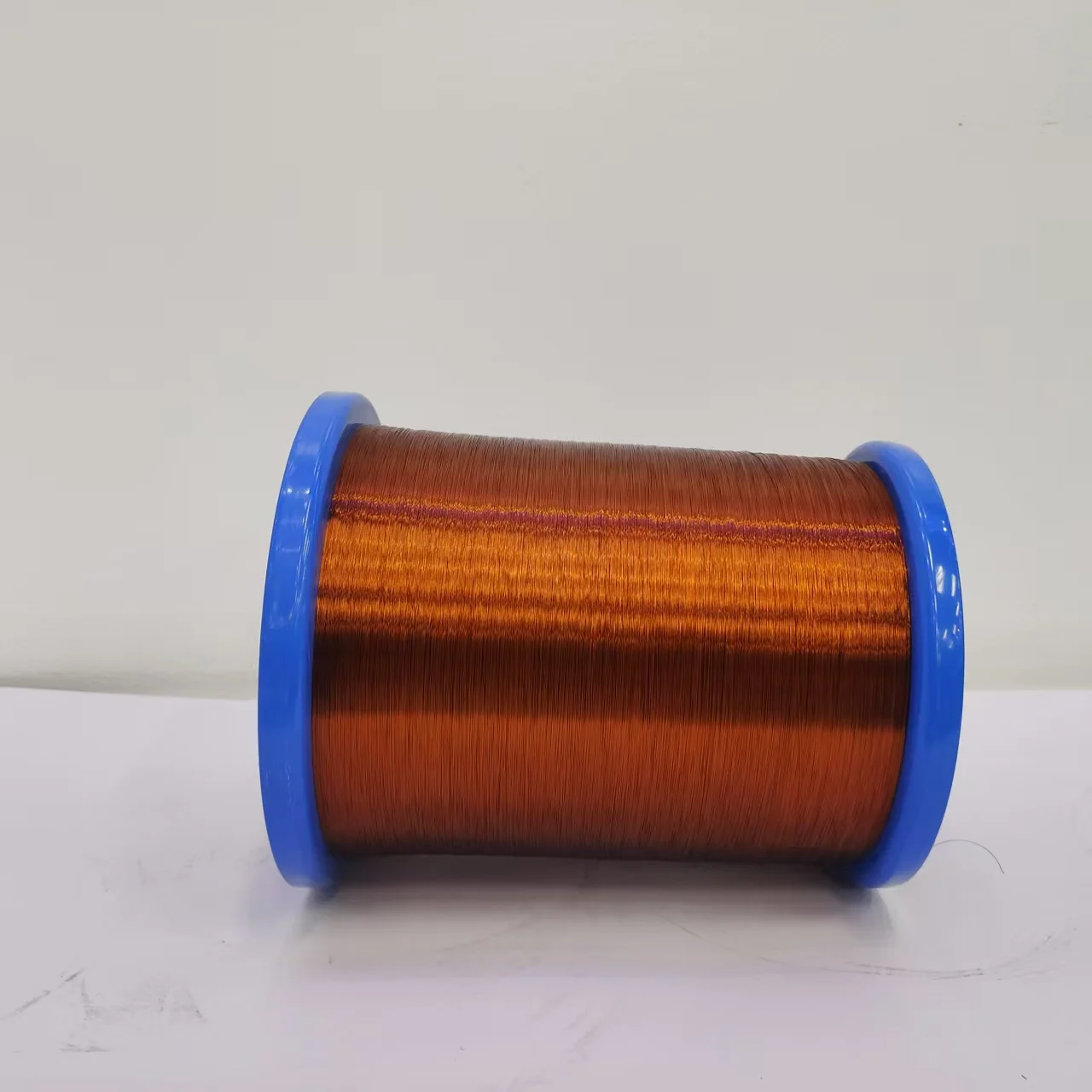
Wiring such as motor winding wire is used in a many electrical projects. It is used to make the coils that turn into the magnetic fields in electric motors. The type of quality of motor winding wire that you use on a project can also play a role in how easy it is to work on, and also how long the motor will last. This article is a beginner’s guide to motor winding wire, including a guide to the best wire for your project, and a few tips on how to maintain it.
It needs to be rated properly for the temperature at which it’s operating. This rating indicates the temperature the wire can safely materalize-resistant without melting. Choosing wire with a temperature rating adequate for the intended working environment of the motor is necessary to optimize performance and longevity.
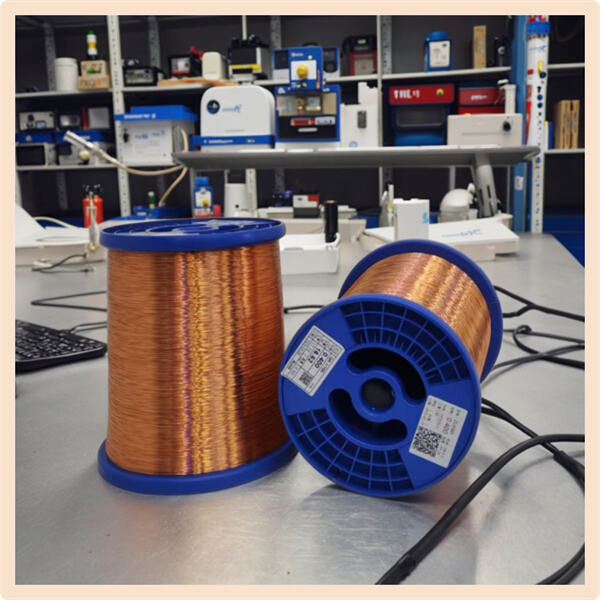
Other than the temperature rating, you have to also keep in mind the insulation the wire has. The winding wire of the motor generally is covered with a thin layer of insulation for the protection of the winding wire against moisture and other influences. The right insulation for your wire. Having enough wire is just as important as using the right kind.
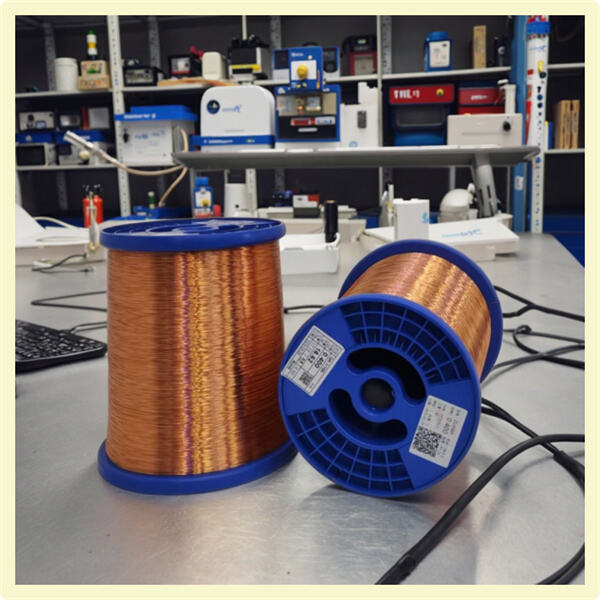
As well as making sure that you know how to choose the best wire by efficiency in terms of gauge, material, and temperature/insulation capability, the other factor to consider when it comes to keeping blowers tipped is wire quality. Higher quality wire is just that: better than low quality wire, less likely to fail or cause issues with our motor.
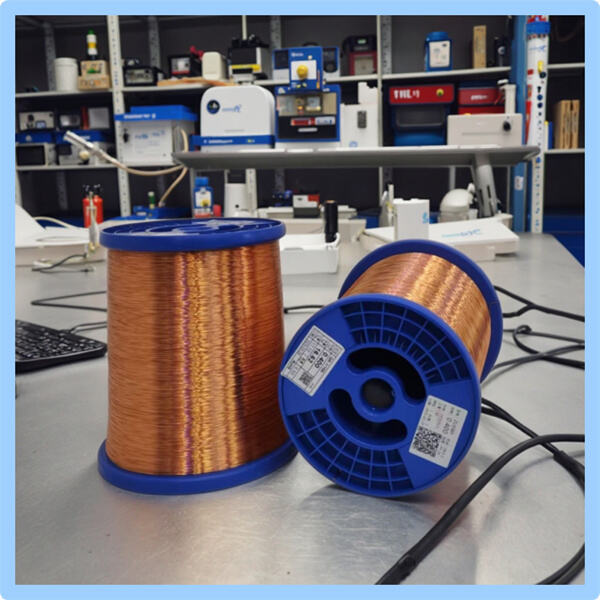
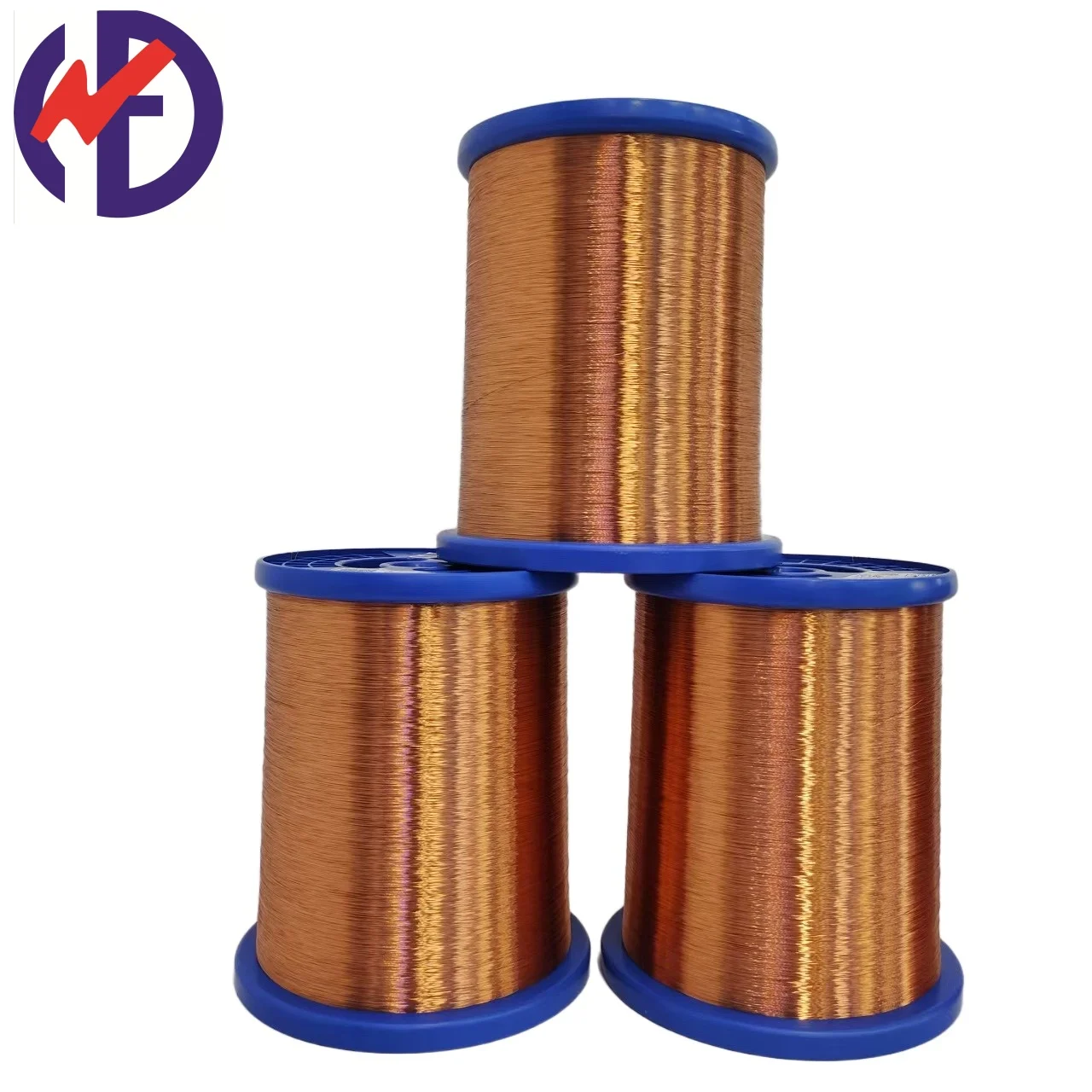
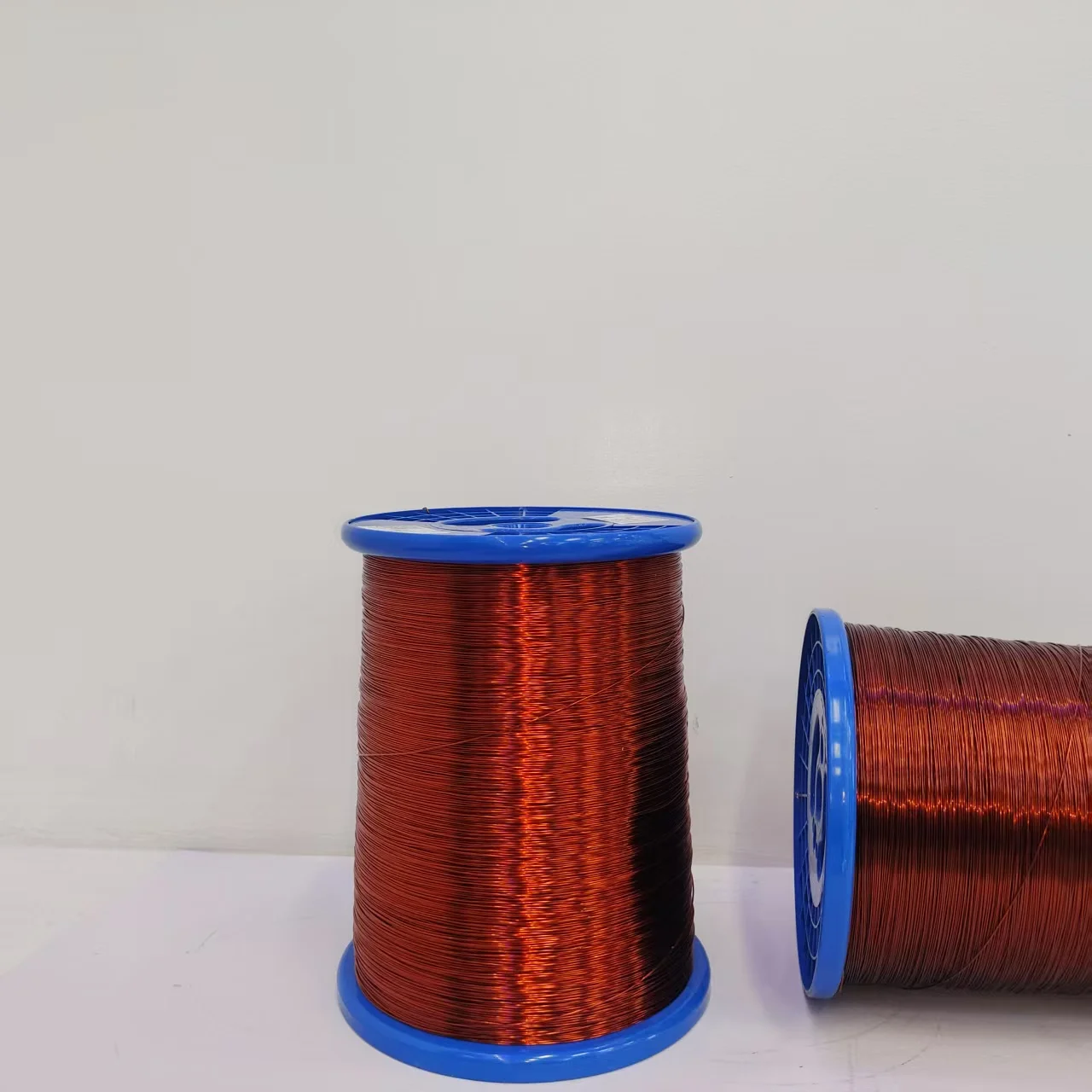
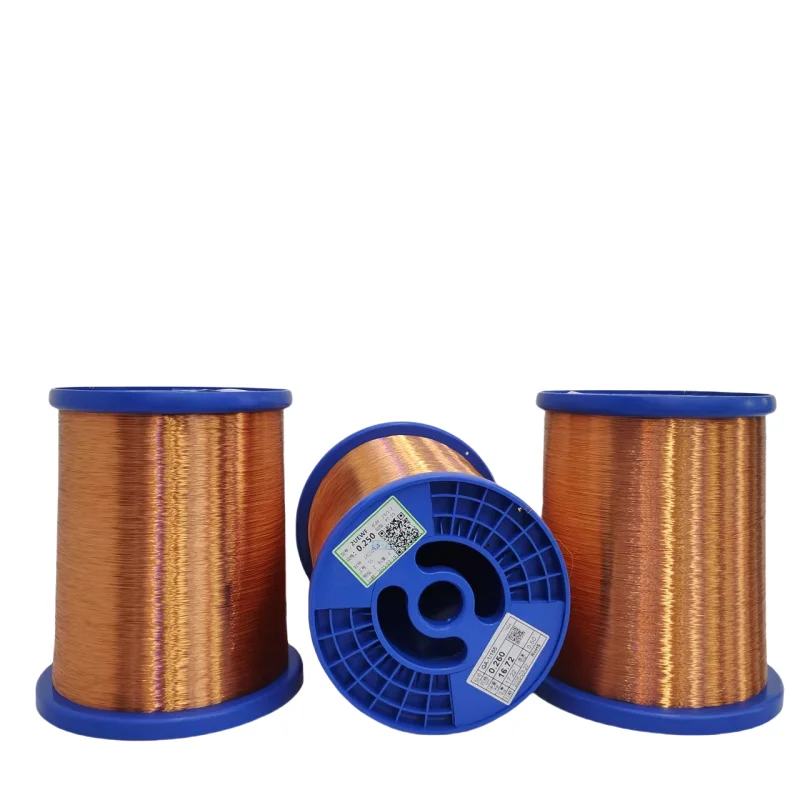
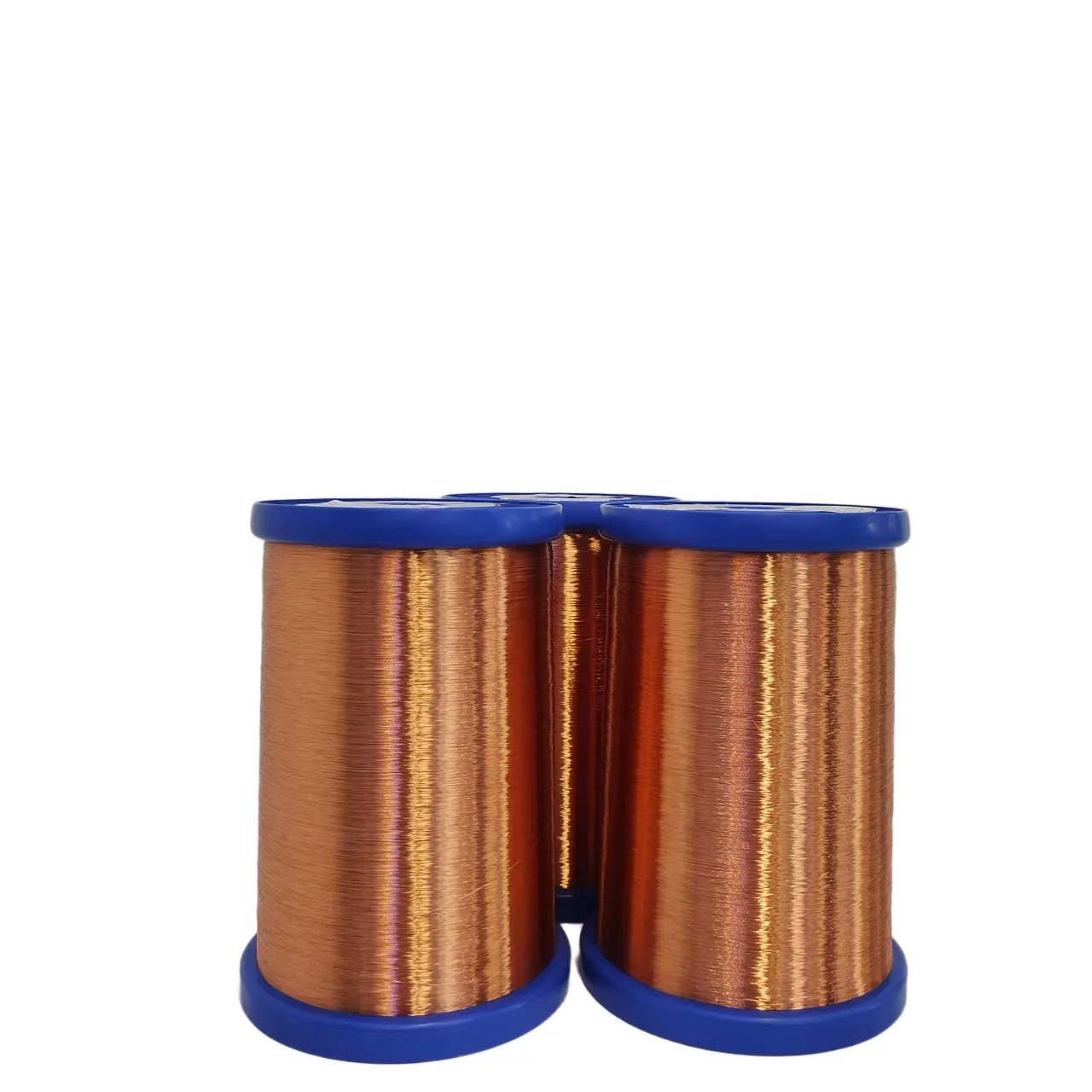
Enamel wire is a derivative of wire used in electric motors. It features a layer of enamel insulation that is resistant to heat and abrasion. Enamelled wire is perfect for inductors and transformers where you don't want the coating of the wire to bubble off due to the heat or transformer smoke in your project.
Welcome to Huaerda! Huaerda is committed to the wire and cable industry, providing high-quality enameled wires for 5G communications, water pumps, transformers and other fields.
Longgang Area, Industrial Park, Yujiang District, Yingtan City, Jiangxi Province, China
Copyright © Hua’erda Cable Group Co., Ltd. All Rights Reserved
 EN
EN